

1. Collect fallen leaves to make leafmould, which is a great soil improver. Just bag leaves up in an empty compost bag/bin bag, or you can pile collected leaves in a corner. You need to make sure they are damp but also add some drainage holes if using a bag. Leave them out of the way, round the back of the shed or behind the bins for 12 months and you will have lovely leafmould next year which you can add as a top dressing on beds or mix into compost.
2. Keep twiggy prunings when cutting back shrubs or trees. They are great to use as pea sticks to support any small climbers or plants that flop over as they grow. Any which are prickly such as holly or branches with thorns are good for protecting seedlings or fresh soil. My raised beds get covered in bits of twigs to stop the neighbours’ cats from kicking up or the seedlings as they emerge.
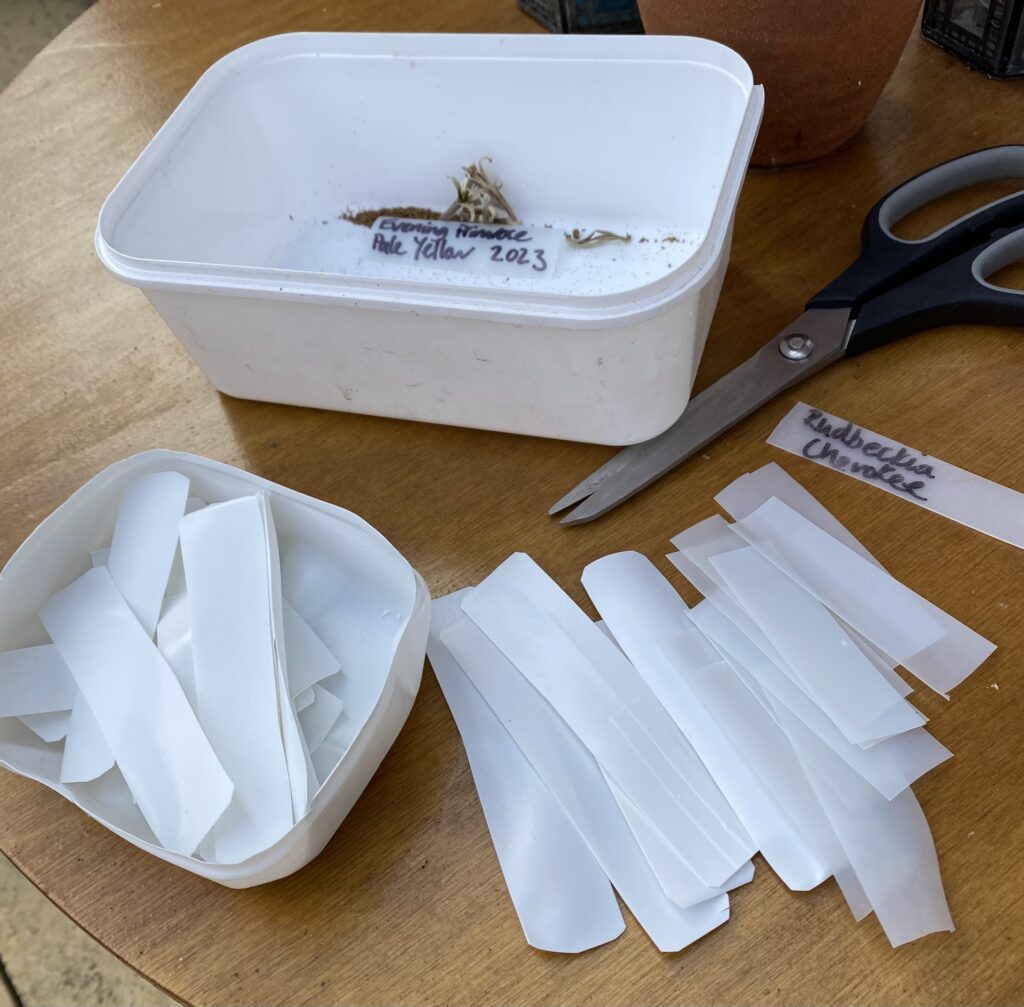
3. Cut up empty plastic pots such as yoghurt pots and margarine tubs to make plant labels. Just make sure you use a good quality permanent pen or a label maker to mark on your plant names so they don’t wash off.
4. Onion or fruit nets are useful so keep them when emptied. I use them to store lifted bulbs over the summer before replanting in the Autumn. I am currently trialing them in the drainage hole of plant pots to help stop the dreaded vine weevil crawling in and laying eggs. Their larvae eat roots of plants in containers and kill the plants. I’ll let you know if it works.
5. Save the seed from your favourite annuals and perennials. Collected seed wont always grow true to the original plant and you may get different variants, but that makes it interesting. If you want to have a true duplicate of the parent plant you will need to take a cutting. It is very easy for a lot of plants, so worth a go. Propagating plants really is very simple and swapping plants with friends and relatives or giving them as presents does save a fortune.
6. Keep any plastic plant pots from plants you buy. You can use them for growing seeds and cuttings or growing on divided plants. Empty plastic pots can be turned upside-down and piled a into the bottom of a large pot or container before you fill it with compost. This will save having to fill the container with precious compost and also ensure good drainage for the container. This is particularly helpful if you have very deep containers which don’t need a full depth of compost. Some garden centres do now collect empty pots for reuse or recycling.
7. The cardboard tubes from toilet rolls make nice tall pots so are excellent for seeds which develop a long root before you plant the outside, such as sweetcorn or sweet peas. You can plant the young plants outside still in the tube to avoid disturbing the root as the cardboard will rot away.
8. Used coffee grounds are rather useful in the garden. Although you must use them with care as caffeine is dangerous to dogs. The grounds make good compost if mixed with other materials and left to decompose fully and being acidic, are good for plants which prefer acidic conditions such as blueberries and hydrangeas. I’m testing to see if they deter slugs. I’ve added a light sprinkling around young seedlings which otherwise get munched by the dreaded slugs and snails. Its seems to be working, but it’s early days. If you don’t have used coffee grounds, most coffee shops and cafes are happy to give bags away for free.
9. Wash empty egg shells and pop them on a baking tray in the oven when it is cooling after you have cooked something else. When completely cool, crush them up as they are a good source of calcium. I’ve not had success in crushed shell deterring slugs as reported by others, but the crushed shell is a useful soil improver (plants need calcium), birds also need it as a food supplement (my chickens loved it) and it can be a decorative top-dressing for pots.
10. Chop and drop – don’t be too tidy in the garden. You can leave plant material that you cut back or deadhead where it falls. Don’t do this with roses or any plants showing signs of disease, or weeds with seed heads. But plant material will naturally decompose and feed the soil, so leave it to improve the soil around your plants. I have a large area of ornamental grasses in my front garden which I tidy and cut back in the spring. But I dump all the cut material at the back of the bed, as there is a lot. So it’s not every visible, but provides cover for lots of little creatures and slowly rots down over the summer. It also stops weeds growing.
11. If you can’t avoid plastic- find a way to resuse it! I use empty margarine tubs, ice cream tubs and yoghurt pots for growing seeds. Just add some drainage holes and then fill them with compost. Clear plastic lids from food containers make useful propagators to fit over seed trays to keep moisture levels high and allowing light in. Cut the bottom off empty clear plastic bottles and use them for mini cloches in the Spring. They are useful to protect small plants from late frosts or keep slugs off new growth and seedlings.
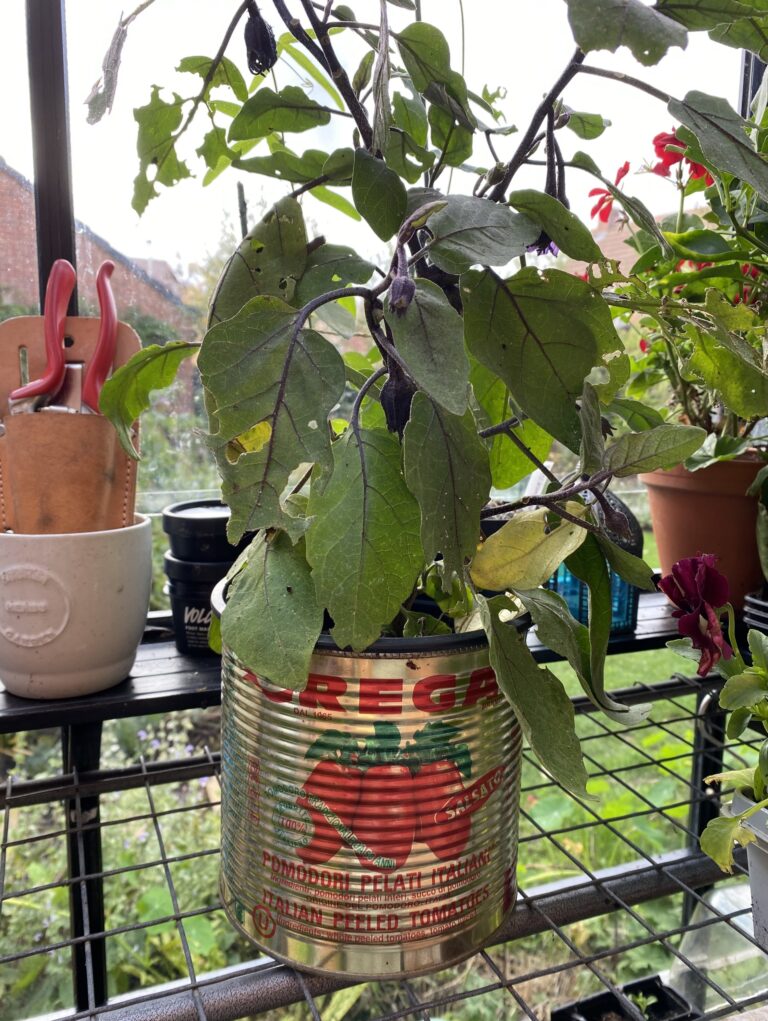
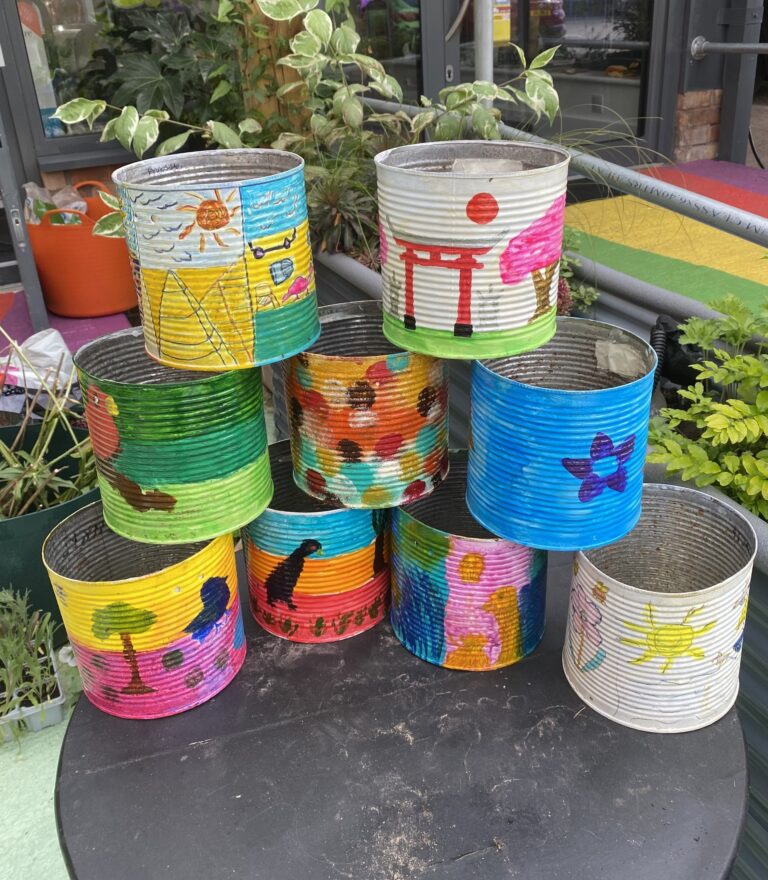
12. Empty tin cans (such as soup cans and baked bean tins) make attractive plant pots, but again you must add drainage holes – a hammer and a nail work well for this. If you have some artistic flair, you can paint them (you will need a varnish over the top to seal them), or you can just let them go rusty which will happen if they are left outside.
13. Build a compost heap. It really is quite simple and doesn’t need to be in a plastic bin. There are a few simple rules to making compost; it needs to be in sun, it needs to be turned over regularly and it needs a bit of consideration about what you add to it. You need a mix of green and brown waste, so shred your cardboard which can’t be recycled and add it – perfect for food contaminated cardboard which otherwise cannot be recycled. Just be careful about adding cooked food which might attract rats.

© 2023 Zero Store. All Rights Reserved. Zero Leamington Ltd trading as Zero Store Company Number 12118101. Website by 89 Media