Search
Close this search box.

Ultra Processed Foods & How to Avoid Them

I heard murmurings about these foods via a recent BBC programme and book by Tim Spector. Realising I didn’t feel like I knew enough, I’ve collated some facts and thoughts to help our customers make informed choices about what they eat, and provide ongoing ideas and support on how to eat more wholefoods by shopping with us.

What are (UPF) Ultra Processed Foods?

Ultra processed foods exist for for a number of reasons:

  • Preservatives which give a longer shelf life
  • Added fats, salts and sugars for taste
  • Artificial colours for appearance
  • Emulsifiers which give improved texture


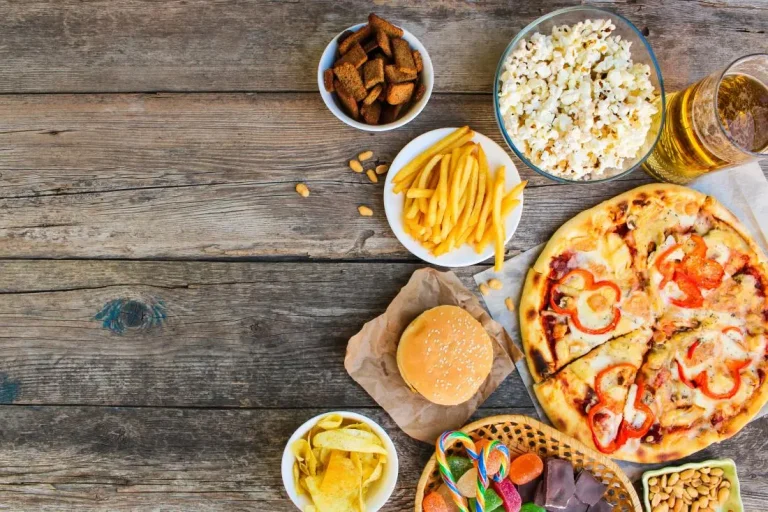
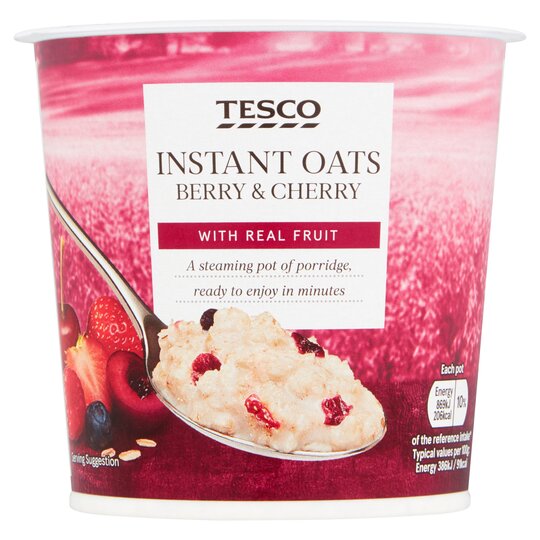
These foods may also contain substances from the packaging they are in contact with (particularly microwavable products). They are all usually ready to eat and appetising- but with a good helping of hidden nasties. Simply put- if there are ingredients on the label which you don’t recognise, it’s more than likely an UPF. Some examples include ready meals, prepacked, dressed salads, supermarket pizza, plastic wrapped biscuits, sweetened cereals, and dry roasted, seasoned nuts.

ultra processed foods
Health benefits of avoiding UPF

It would be possible to write a whole book about the microbiome, as scientist Tim Spector has done. You can find a pretty comprehensive breakdown right here, or loan one of his books from the library. In short, our bodies need a balance of a wide variety of foods. Less processed foods are easier to digest, and more likely to have the vitamins and minerals we need to thrive. Studies suggest eating a wide range of nuts, seeds, pulses, whole grains, fruits and vegetables – on top of starchy staples such as potatoes or rice, contributes to a healthier immune system and better metabolism. This firmly ties in with the notion that as a nation we have more diet related health problems since the rise of convenience foods in the past 30 years (coincidence, I think not!).

Reduced packaging

The thing about UPF (ultra processed foods), is they are more likely to contain only a few/several portions of that particular product. This is generally the producers finding a balance between the cost to produce/pack and an RRP for the retailer. i.e. ready made cake bars or trail mix. Often these items might be in a multipack which is not only 2-6 individual wrappers but also an outer packet, which is then supplied in a case of 12-24, and most likely packed again on a plastic wrapped pallet. The mind boggles thinking about all the packaging that is produced, transported and dumped just to get one packet of something from factory to kitchen cupboard.

Money saving

Therefore, we can instantly see the benefits of batch cooking homemade meals snacks such as cereal bars, breakfast bowls, or salads with beans and grains. I recently calculated a batch of 8 banana muffins I made came to less than 50p in ingredients, vs £2.50 for a pack from Asda (which list over 25 different ingredients including a range of emulsifiers and preservatives!). Making a match of something and freezing some for another time makes your money go even further and saves waste too.

Recipe ideas

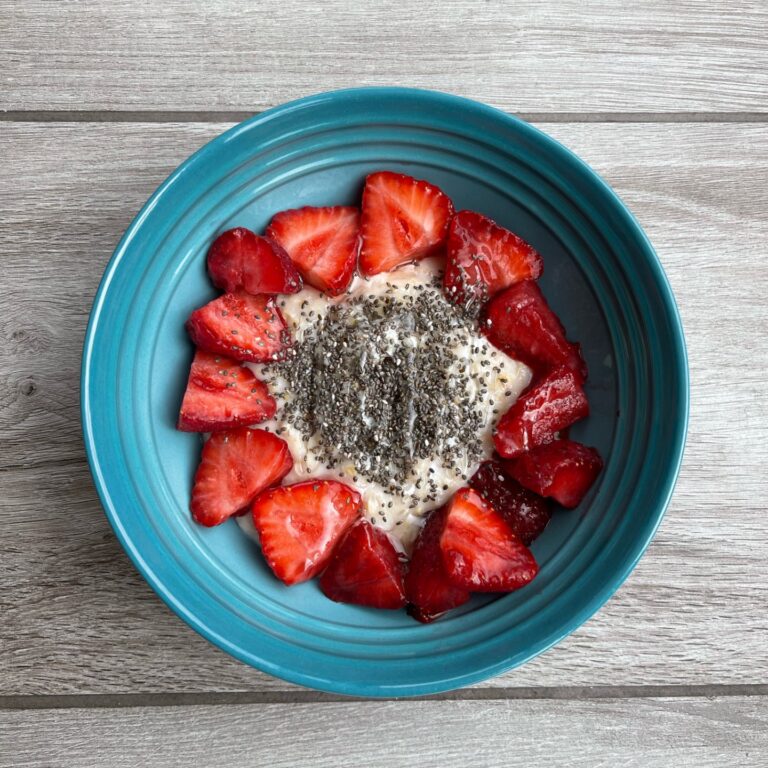
You can find TONS of these on the our blog. One examples is to swap sweetened cereals for porridge oats or our muesli. Rather ready meals, or sauces from jars (which contain a surprising amount of sugar, believe it or not) try to use a range of vegetables and grains, cooked from scratch. For the longer/harder to cook foods like dried beans and chickpeas, you can always cook a big batch and then freeze between layers of parchment paper. I do this with all beans and pearl barley too. Couscous and quinoa are great in salads, and a sprinkle of nuts or seeds go with most things!

Conclusion

Even if reading the ingredients list is your starting point, that’s something. I hope you’re found this basic guide useful and feel free to get in touch if you need any specific guidance with making less processed choices. We got loads of options to try!